Wheels Buyer's Guide
Introduction
Wheels shape how your bike rides more than you might expect. They affect how quickly you accelerate, how your bike feels, and more importantly how confident you feel when the terrain changes.
Every wheel has three main parts: the rim, which affects weight, strength and tyre support; the spokes, which add strength and stiffness; and the hub, where your power transfers to the wheel. Choosing the right setup comes down to how and where you ride, and this guide will help you find the right fit.
 Rims
Rims

Rim Choice
The rim influences tyre width, ride feel and whether you can set up tubeless.
Alloy rims are strong, reliable and offer good value, making them a solid choice for everyday riding and rougher conditions.
Carbon rims are light and stuff, which helps improve acceleration and makes it easier to hold speed. They’re also often more aerodynamic, so you’ll notice the benefit when riding at higher speeds or over longer distances.

Braking Surface
It’s important to match your wheels to your braking system. If you’re running rim brakes, you’ll need a rim with a machined braking surface. Using the correct rim brake pads for your wheel’s braking surface is essential for safe and consistent performance. The wrong compound can reduce braking power and cause excessive wear or damage to the rim, especially on carbon braking surfaces. Disc brake wheels don’t require this, which allows for lighter rim designs and more consistent braking performance in all conditions.

Tyre Compatibility
Tyre compatibility depends on the type of rim you’re using, with the two most common options being tubeless-ready and clincher rims.
Tubeless-ready rims are designed to work without an inner tube, using a sealed system with tubeless tyres and sealant. This setup can reduce punctures, allow lower tyre pressures for better grip, and improve ride comfort.
Clincher rims are the traditional option, designed to be used with an inner tube inside the tyre. They’re simple to set up, widely compatible and easy to maintain, making them a popular choice for everyday riding.
 Hubs
Hubs

Hub Choice
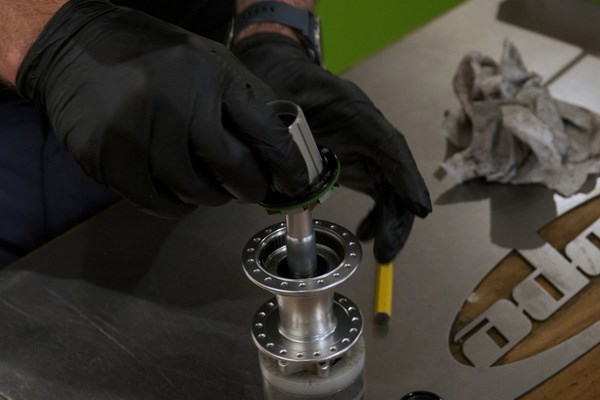
The hub is the central part of a bicycle wheel, connecting the wheel to the bike and allowing it to spin smoothly around the axle. It plays a key role in how efficiently your bike rolls and how power is transferred when you pedal.
Inside the hub, different mechanisms control how that power engages. For example, ratchet systems use interlocking rings to transfer force from the pedals to the wheel. These systems are known for providing consistent engagement and spreading the load evenly, which can improve durability, especially under higher torque.

Freehub Compatibility
Your freehub determines which cassette you can use with your bike, so you’ll need to check how your cassette fits onto the freehub.
The most common option is HG, which works with many Shimano and SRAM drivetrains. Shimano 12-speed MTB setups use MicroSpline, while SRAM systems use XD or XDR depending on the groupset. Some manufacturers, such as Mavic, offer interchangeable freehub bodies, making it easier to switch between drivetrain standards if needed.

Axle Measurements
Road bikes most commonly use 100mm spacing at the front, with either quick release or 12mm thru-axles. At the rear, you’ll typically find 135mm quick release or 142mm thru-axle spacing.
Mountain bikes offer a wider range of options. Alongside older quick release standards, most modern setups use thru-axles, with Boost spacing (110mm front and 148mm rear) now widely used. It improves wheel stiffness and allows for better tyre clearance. Downhill bikes may use even wider rear spacing for added strength.

Hub Engagement
This affects how quickly your power engages when you start pedalling. Inside the hub, the engagement system controls how quickly power transfers to the wheel. Pawl systems use small spring-loaded teeth to engage the hub. They’re widely used, easy to service and found across a wide range of wheels.
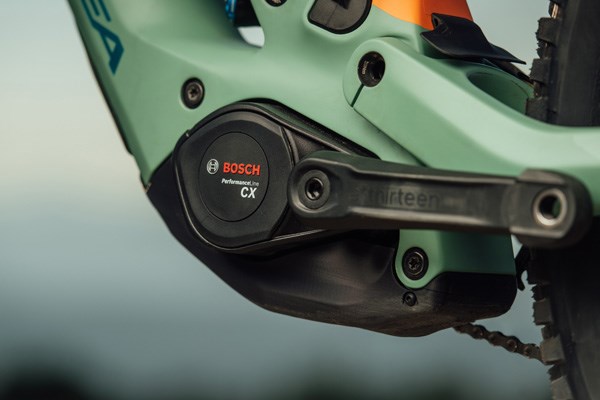
E-bikes put more demand on wheels due to added weight and motor assistance, so durability matters. Look for wheels designed to handle higher loads, with stronger rims, more robust spoke builds and hubs built to cope with the extra torque.

Disc Brake Compatibility
If your bike uses disc brakes, which most modern bikes do, you’ll need to make sure the hub is compatible. The two main systems are 6-bolt, which is the most common, and Centre Lock.
 Spokes

Spoke Types
Spokes play a key role in how a wheel feels and how durable it is, influencing strength, stiffness and, in some cases, aerodynamics.
Most wheels use either a J-bend spoke, which is the most common, or a straight-pull design, often found on higher-end wheels. You’ll also see different spoke types. Straight gauge spokes are durable and cost-effective, while butted spokes reduce weight without sacrificing strength. Bladed spokes are typically used on aero-focused wheels, helping to reduce drag and improve efficiency at speed.
 Road
Road

Road Bike Wheels
For road riding, the focus is on speed and efficiency.
Lighter wheels help with climbing and acceleration, while deeper, more aerodynamic rims help you maintain speed on flatter roads. The right choice depends on your riding style and terrain. Lighter wheels feel quicker uphill, while deeper rims help you hold speed with less effort.
Road Wheel Suggestions


 Gravel

Gravel Bike Wheels
Gravel riding sits between road and MTB, so versatility is key.
A mid-width rim with tubeless compatibility works well for mixed surfaces, allowing you to run lower pressures for comfort and grip. Durability is important if you’re riding longer distances or carrying kit. A versatile wheelset lets you move efficiently between road and off-road without compromise.
Gravel Wheel Suggestions

 Mountain Bike

MTB Wheels
If you ride trails, enduro or downhill, strength and control matter most.
Look for wider rims and a robust build that can handle impacts and rough terrain. Higher hub engagement is also worth considering, as it gives quicker power transfer when navigating technical climbs or tight sections. Stronger, wider wheels give you more grip, stability and confidence on rough ground.
MTB Wheel Suggestions
 Electric

Electric Bike Wheels
E-bikes put more demand on wheels due to added weight and motor assistance, so durability matters.
Look for wheels designed to handle higher loads, with stronger rims, more robust spoke builds and hubs built to cope with the extra torque. This means better long-term reliability, especially if you ride regularly or tackle rougher terrain. If you’re upgrading, it’s worth choosing wheels that are specifically rated for e-bike use.